
Clinical trial
Tubes to a central laboratory
Samples classified Category B, UN3373, after analysis; +2 to +8 °C; organisation aimed at the laboratory’s receiving window, with no unplanned weekend delivery.
Healthcare · Laboratories · Clinical trials
Specimens, clinical trials, reagents, medical devices: we move them in France and internationally, with the right packaging, temperature and customs handling, right through to the receiving laboratory.
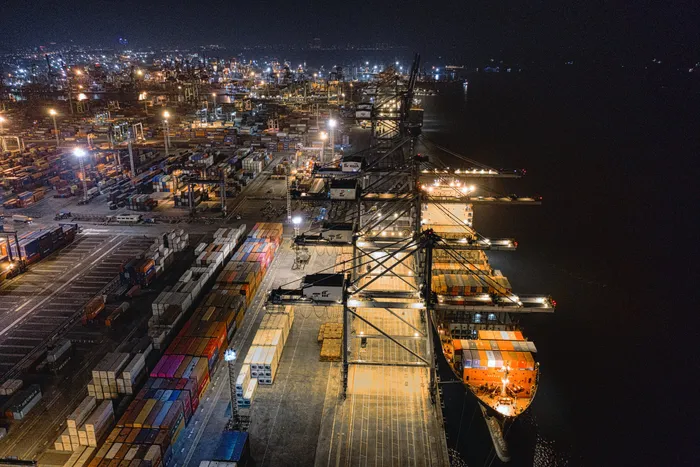
What we transport
A degraded sample means a lost analysis, sometimes a compromised clinical trial enrolment. Each family of products carries its own constraints: we identify them before collection, never during transport.
Blood, urine, biopsies, swabs for medical biology, in one-off or regular flows.
Tubes from investigator sites to the central laboratory, sampling kits, study documentation.
Transfers of frozen collections, with inventory and joint check on receipt.
Temperature-controlled reagents and kits, often with short shelf lives.
Sterile equipment, implants, instruments: operating-theatre emergencies, stock-outs, hospital deliveries.
We study feasibility from your call, with a precise delivery time; once the file is in progress, it is followed 24/7 until handover.
Regulatory framework
The classification determines everything else: packaging, marking, documents and acceptance by the airline. It is the shipper’s responsibility, as only the shipper knows the material; we support you at every step.
| Case | Reference | What it means for air transport |
|---|---|---|
| Biological substance, Category B | UN3373 · PI650 (P650 by road, under ADR) | Triple packaging, rigid outer packaging, no more than 4 L or 4 kg per package, UN3373 mark and the words “Biological Substance, Category B” |
| Infectious substance, Category A | UN2814 or UN2900 · PI620 | Approved packaging, shipper’s declaration, very limited quantities: case-by-case study |
| Dry ice (solid carbon dioxide) | UN1845 · PI954 | Packaging allowing CO₂ to vent, net weight of dry ice shown on each package, no more than 200 kg per package, declaration to the airline |
Classification in Category B does not follow from the type of study, but from the analysis of the material, in line with WHO guidance on the transport of infectious substances. Dry ice is only used if the protocol allows it. For other regulated products, see our page dangerous goods by air.
Temperature control
The regime follows from the study protocol or the manufacturer’s recommendations. We confirm it with you before collection, then size the solution for the real duration of the journey, waiting times included.
Controlled ambient
Stable samples, some reagents and devices, protected from extreme deviations.
Refrigerated
Many specimens, reagents and pharmaceutical products, with calculated eutectic packs.
Frozen
Sera and plasma, reinforced insulation and wedging to limit heat exchange.
Ultra-cold
Cryotubes and biobanks under dry ice, in a quantity calculated for the journey.
Our organisation
Customs and medical devices
Our customs agents prepare the customs clearance at Roissy-CDG so that the sample does not wait in the warehouse.
Typical situations
Representative examples, each preceded by a dedicated analysis.
Clinical trial
Samples classified Category B, UN3373, after analysis; +2 to +8 °C; organisation aimed at the laboratory’s receiving window, with no unplanned weekend delivery.
Biobank
UN1845 dry ice compatible with the protocol, quantity calculated with a margin for waiting times, joint inventory on arrival.
Medical device
Import from outside the European Union, importer’s documents checked, customs clearance prepared before arrival, direct delivery to the institution.
Frequently asked questions
UN3373 is the UN number assigned to “biological substances, Category B”: infectious substances that do not meet the criteria of Category A, such as many diagnostic specimens. By air, they follow IATA packing instruction PI650: triple packaging, rigid outer packaging, diamond-shaped UN3373 mark and the words “Biological Substance, Category B”. Classification is the shipper’s responsibility.
With an insulated solution qualified for the real duration of the journey, waiting times included, and not just for the flight time. A calibrated data logger documents the temperature when the protocol requires it. We anticipate the weak points (weekend, connection, inspection) and agree with you in advance on what to do in the event of a deviation.
Often, yes. In France, the import of human biological samples for scientific purposes requires, in principle, an authorisation from the ministry responsible for research (CODECOH procedure), with exceptions, notably for certain research involving human subjects. The procedure is the responsibility of the receiving institution: we check the reference with you before shipping.
It depends on the destination city, the flights available, the temperature regime and the formalities. Some materials require a US import permit, for example from the CDC for infectious agents or from the USDA for materials of animal origin. Our team checks these points and gives you a precise door-to-door delivery time before collection.
We study with you the packaging suited to the material, the temperature regime and the mode of transport, and organise the preparation of the shipment with specialised partners. The exact nature of the material remains declared by the shipper, who alone knows it: this is what determines the required packaging and documents.
Going further
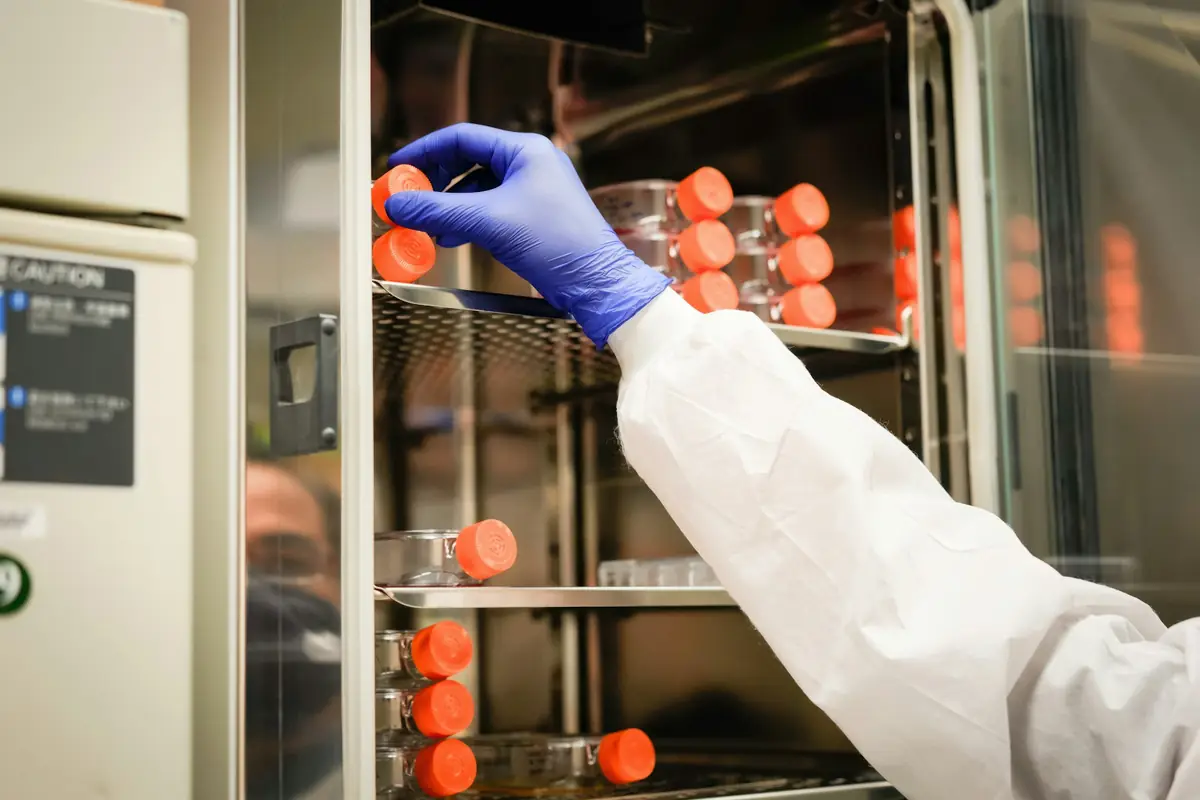
+2/+8 °C, +15/+25 °C, frozen or dry ice: qualified packaging, data loggers and excursion management.
Learn more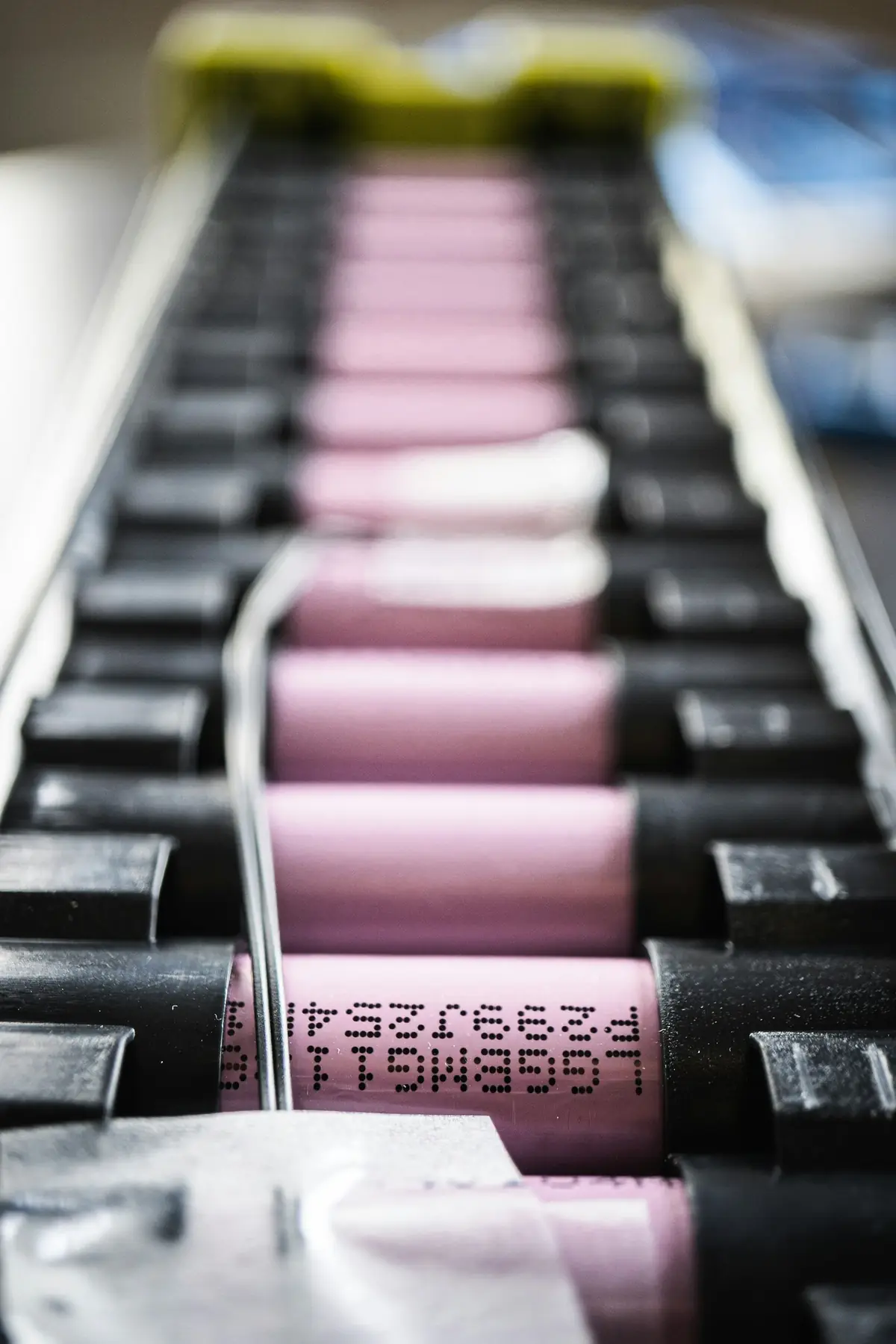
IATA DGR, lithium batteries, DGD: classify, pack and declare before departure.
Learn more
Import, export and transit declarations, duties and taxes, RDE mandate, inspections: your customs clearance at Roissy-CDG and Orly, followed through to release.
Learn more
Import, export and urgent shipments from Roissy-CDG: booking, cargo security, air waybill, customs and delivery, all coordinated.
Learn more
CHED, TRACES NT, the Roissy-CDG border control post, certificates: SPS import checks explained and prepared.
Learn more
Next flight out, dedicated vehicle, on-board courier: the fastest solution, with a delivery time you can rely on.
Learn moreNature of the material, origin, destination, temperature regime and deadline: with these five pieces of information, we tell you what is feasible, how and in what time.