FR Your request

Aerospace · AOG · Critical parts

AOG and aerospace logistics, followed 24/7 once launched

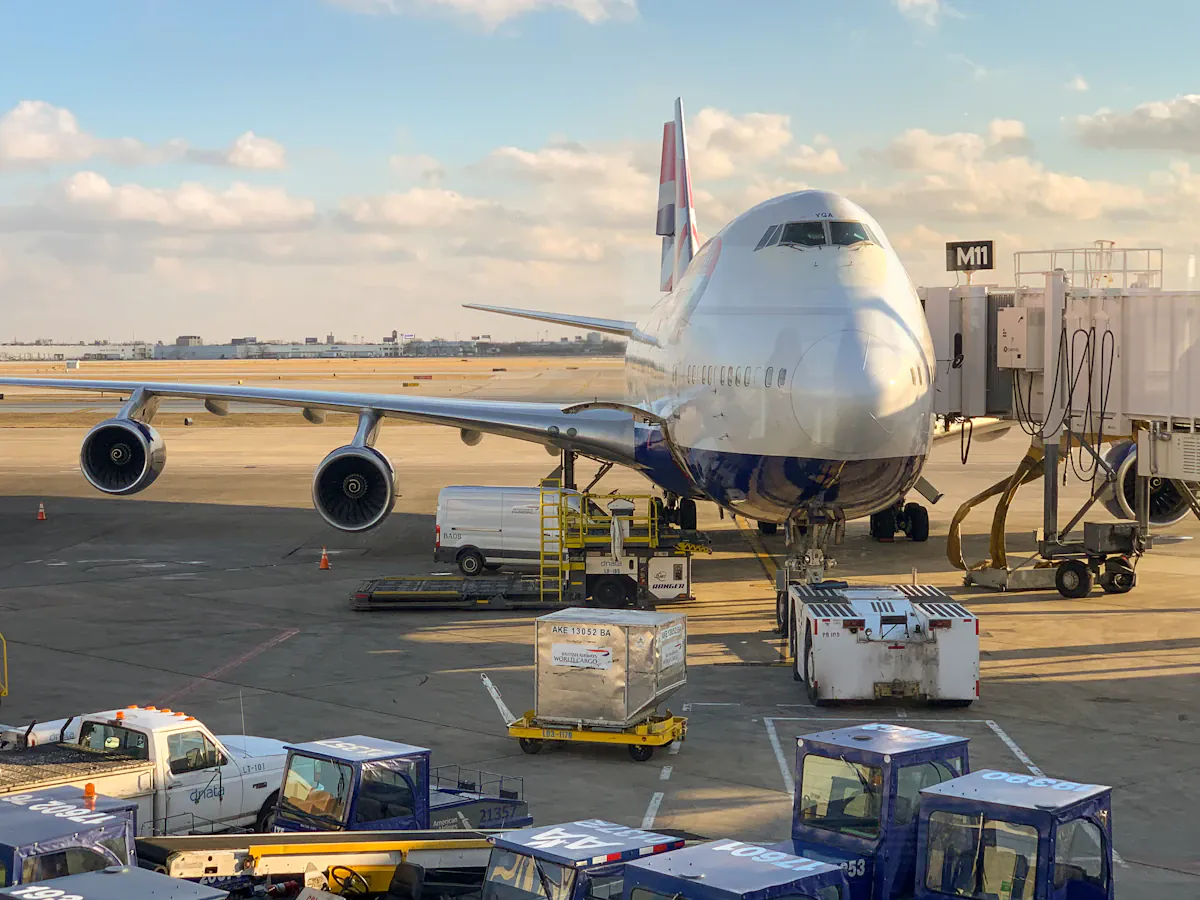
A grounded aircraft waiting for its part? Call us to launch the file: we take the full details from the first call, find the next suitable flight, then coordinate collection, documents, customs and delivery to the hangar.

Sector constraints

Why is an AOG shipment not organised like an ordinary one?

Because four constraints add up: time, documents, access and sometimes dangerous goods regulations. We identify them before collection, because they determine the solution.

Time

Every hour on the ground costs money. Flight options change hour by hour: the decision must be fast and based on real, up-to-date schedules.

Documents

A part that arrives without its release certificate cannot be fitted. The file travels with the part, without interruption.

Access

Hangar, bonded store, restricted area: badges, escort and time slots are arranged before the driver arrives.

Regulations

Batteries, pressurised cylinders or pyrotechnic items fall under dangerous goods by air and may rule out certain flights.

Urgency levels

Which set-up suits your level of urgency?

Not every need calls for the same set-up. Distinguishing the levels avoids paying for an emergency that is not one and, conversely, under-sizing a critical situation.

LevelTypical situationSet-up organised
AOGAircraft immobilised, operations interruptedImmediate search for the next suitable flight (next flight out), dedicated collection, on-board courier when it is faster, constant follow-up
CriticalPart needed within 24 to 48 hours to avoid groundingExpress routing, priority handling, close progress updates
RoutineReplenishment, shop return, standard exchange, rotablesSolution optimised for cost and time, advance planning, regular rotations

The right reflex: state the real level of urgency from the first call: we immediately confirm a precise time. Engines, large assemblies and out-of-gauge tooling are assessed individually.

Our organisation

How do we organise an AOG shipment, from alert to hand-over?

A single contact steers every step and alerts you as soon as a decision is yours to take. Our base in Tremblay-en-France, right by Roissy-CDG, multiplies the departure options, day or night on files in progress.

  1. AlertPart number, location, destination, deadline and urgency level.
  2. Shipment detailsWeight, dimensions, documents available, any battery or dangerous goods.
  3. SolutionComparison of flights, choice of the next suitable flight, time and cost approved with you.
  4. Collection and departurePick-up, cargo security, documents, hand-over to the airline.
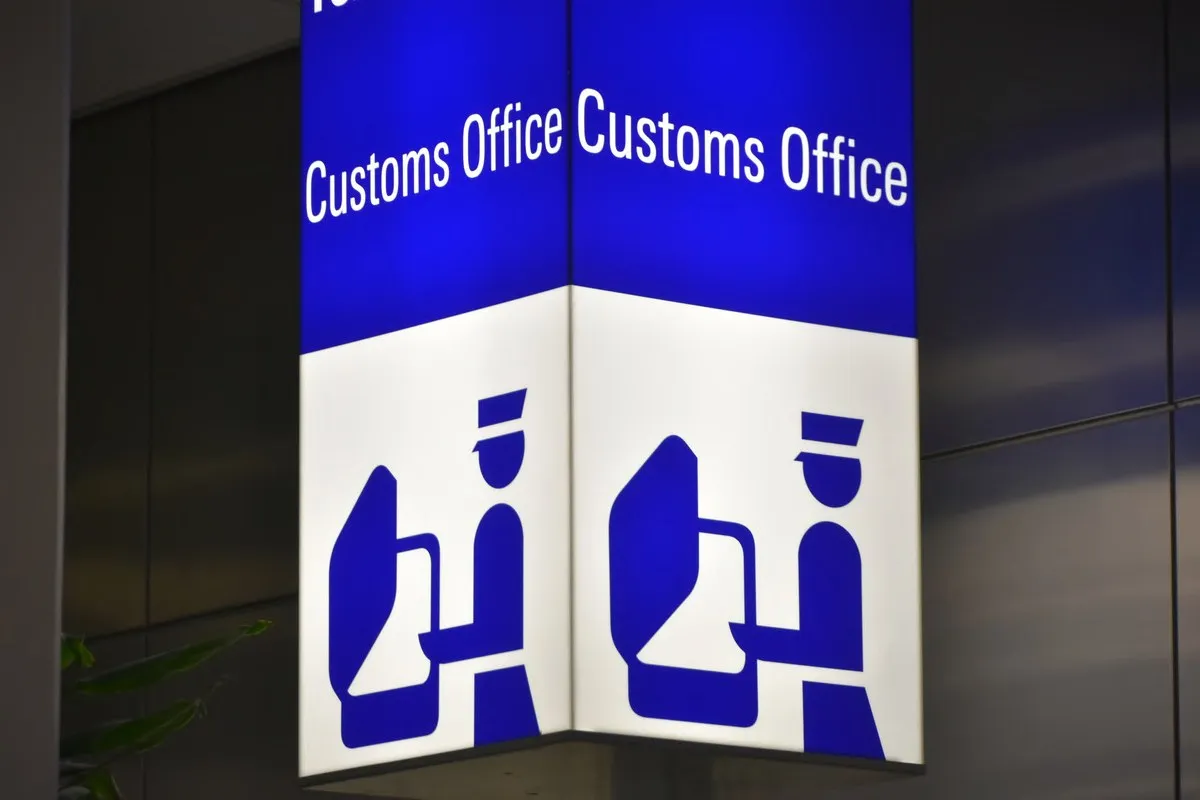
  5. Customs and deliveryFormalities on arrival, then delivery to the store or hangar according to the authorised access.

When the part is abroad, our agents organise the collection on site. In the event of a cancelled flight, an unexpected inspection or a connection delay, you are notified immediately, with the options that remain open. For urgent shipments outside aerospace, see our page urgent and express freight.

Documents

Which documents accompany an aircraft part?

Transport also carries documentary continuity: we check that the documents are present, legible and consistent with the part described, and that the package remains identifiable at every step.

The release certificate depends on the origin of the part, its condition (new, repaired, overhauled) and the client’s regulatory system. EASA (the European Union Aviation Safety Agency) publishes the accepted equivalences: depending on the case, an EASA Form 1, an FAA Form 8130-3 with dual release or another recognised certificate. Their issue and the decision to fit the part rest with the approved production and maintenance organisations.

For imports and exports alike, the customs procedure (repair, standard exchange, return) is determined before departure: our customs clearance team at Roissy-CDG prepares the declaration as soon as the documents are received.

The typical file

What travels with the part

  • Applicable release documents, including EASA Form 1 or FAA Form 8130-3 depending on the part
  • Air waybill (AWB) and package labelling
  • Commercial or pro forma invoice, even without a sale (repair, exchange)
  • Packing list: weight, dimensions, number of packages
  • Dangerous goods declaration, where required
  • Purchase order or client AOG reference for identification

Typical situations

Which operations do we organise for aerospace?

Representative examples. We confirm feasibility for each request before you commit.

AOG · Export

Critical part to an outstation

The constraint. An aircraft is grounded abroad; the part is available in a store in the Paris region.

Our answer. Immediate collection, next suitable flight from Roissy-CDG, documents checked, agent mobilised for customs clearance and delivery at the outstation.

Routine · Rotables

Shop returns and standard exchanges

The constraint. Parts leave for repair outside the European Union and come back with a new certificate.

Our answer. Planned rotation, customs procedure chosen before departure, follow-up of returns and documents in each direction.

Project · Regulated

Equipment with a battery or out of gauge

The constraint. An item of equipment contains a lithium battery or exceeds the dimensions of a passenger aircraft hold.

Our answer. Classification verified, cargo flight sought if necessary, suitable packaging and handling, on-site access coordinated.

Frequently asked questions

What technical departments ask us

What does AOG mean?

AOG stands for “Aircraft on Ground”: an aircraft is immobilised because it lacks a part or piece of equipment needed to fly. It is the highest level of urgency in aerospace logistics. Transport is then organised on the first suitable means, day or night, with constant follow-up until the part is handed over to the technical department.

What should I do as soon as an AOG is declared?

Call us on +33 1 39 73 01 29 to launch the file and give us the part number, its weight, dimensions, collection address, destination airport and your deadline. We immediately check the departure options and call you back with a precise time and a cost, to be approved before any commitment. Once the file is in progress, it is followed 24/7 until handover at the hangar.

Can you physically accompany a part?

Depending on the urgency, the destination, the size of the part and the airline’s rules, we arrange hand-carry by an on-board courier. We set out the conditions, the delivery time and the cost before you commit, so that the decision is yours.

Do you handle parts containing batteries?

Yes, after analysis. A part containing a lithium battery, a pressurised cylinder or a pyrotechnic generator falls under dangerous goods: classification, packaging, marking and the airline’s acceptance conditions are checked before departure. This step must be anticipated, as it may rule out certain passenger flights.

Do you manage regular rotations between sites?

Yes. Flows between stores, repair shops and bases (shop returns, standard exchanges, replenishment) are organised to measure: frequencies, timings, reusable packaging, documents and customs formalities are defined with you before the start, then followed over time by the same contact.

An aircraft grounded right now?

Part number, location, destination and deadline: with these four pieces of information, we tell you what is feasible and by what time, then the file is followed 24/7 until handover.

Your request

Tell us what you know: we will come back to you if anything is missing. Reply within 24 working hours for any complete request.

Your need

Your details are used only to process your request. Learn more.