FR Your request

Shipowners and ship managers

Port-call logistics for shipowners and ship managers

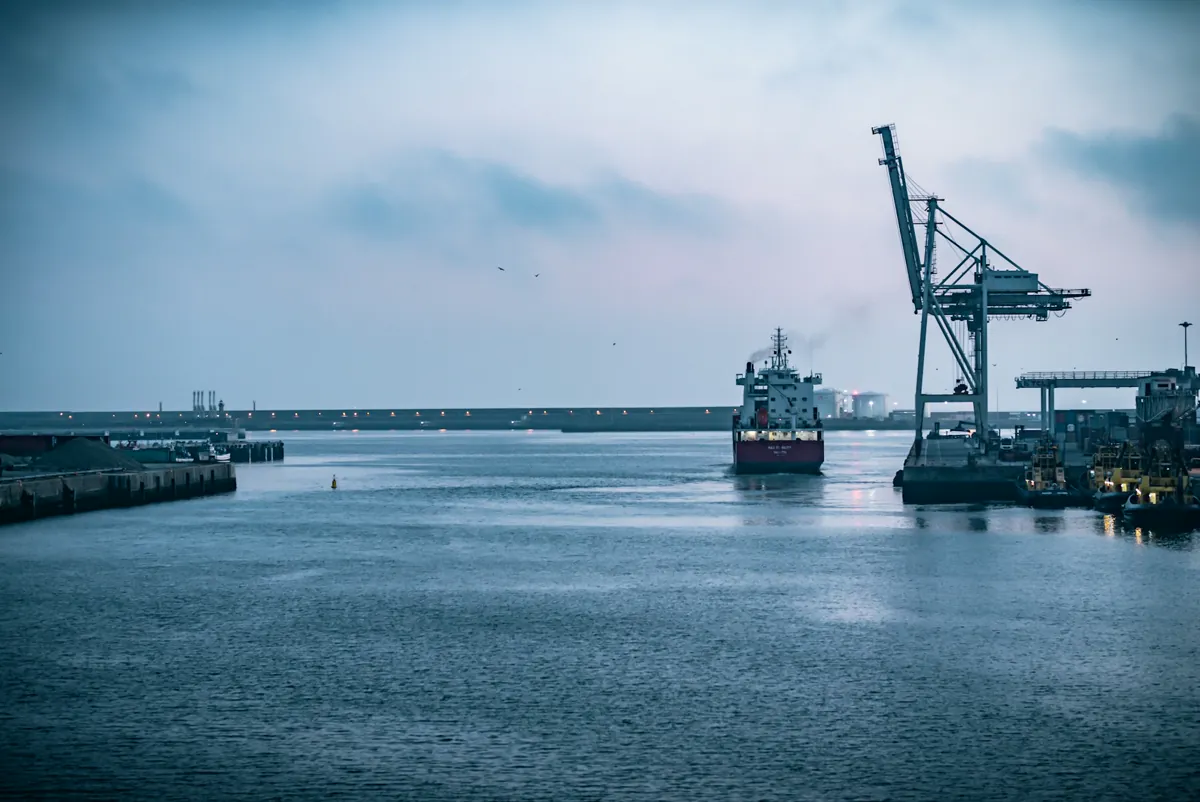
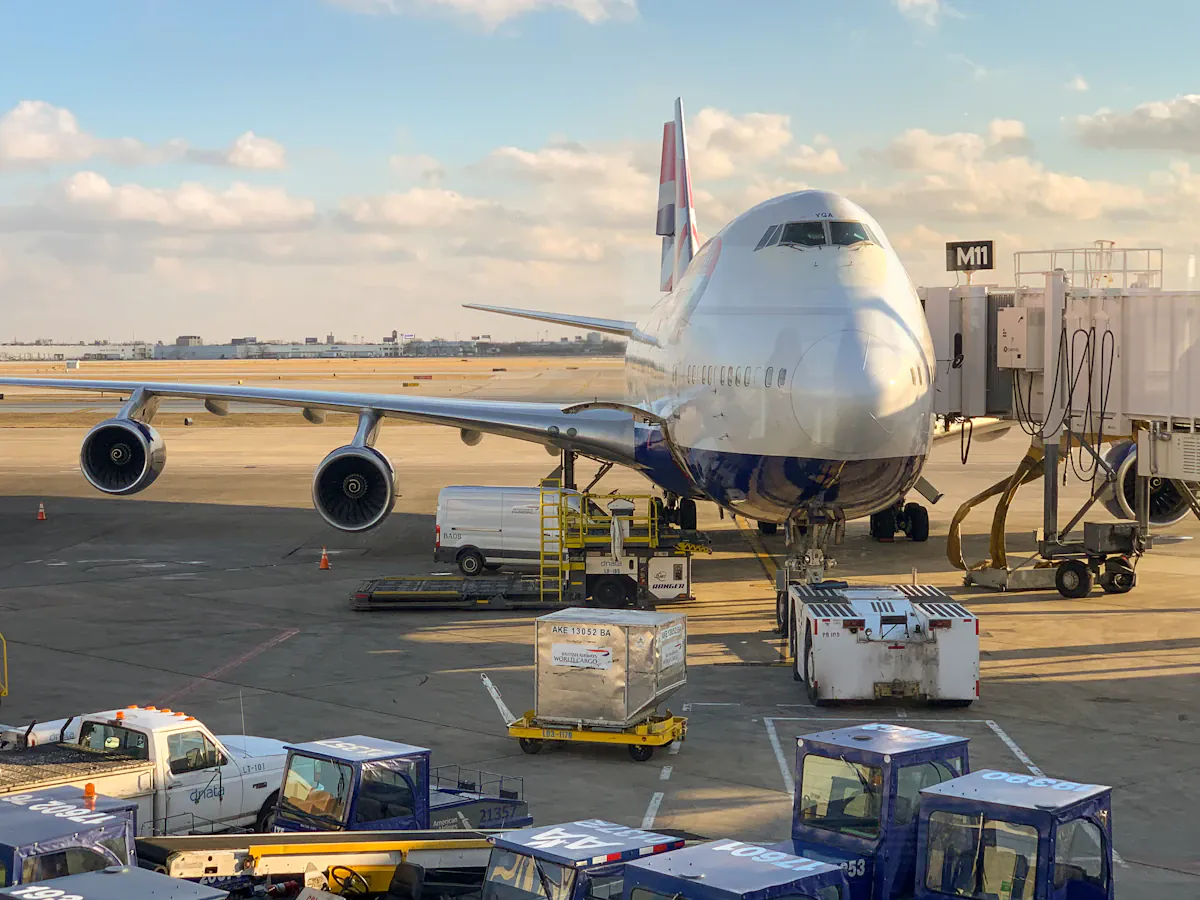
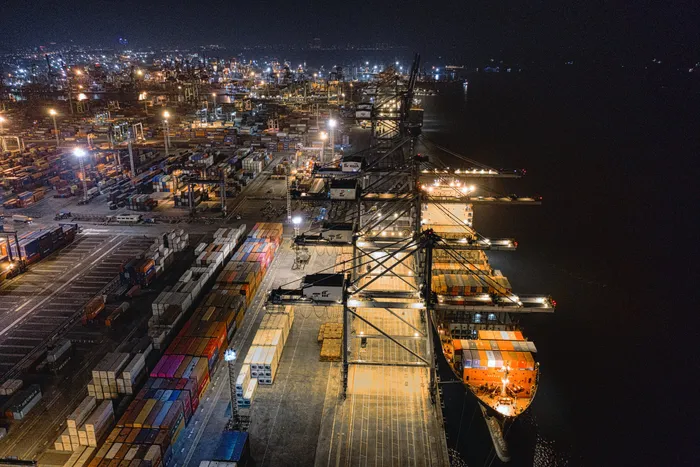
We collect your spare parts from the supplier, organise their transport by air or by road and prepare the customs formalities under the appropriate procedure. With your port agent, we time the delivery to the cut-off for delivery on board, in Le Havre, Marseille-Fos and Dunkirk as in ports of call worldwide.

Who we work with

For shipowners’ technical departments and port agents

Everyone who needs to get to a vessel, on a given date and in a given port, what it needs to keep sailing. We work with the fleet technical manager ashore and with the port agent at the quayside.

Shipowners and ship managers

Bulk carrier, container, ro-ro and service fleets: spare parts, technical consumables and safety equipment to French and foreign ports of call.

Ferry and cruise operators

Fixed rotations and short calls: parts delivered to the terminal before the cut-off, equipment returns, hotel and technical supplies.

Shipyards and dry-dockings

Consolidation of parts from several suppliers, delivery to the yard according to the docking schedule, measuring instruments and tooling for service teams, and their return.

Port agents and equipment manufacturers

You represent the vessel or you make the part: we organise the transport and the customs formalities between the workshop and the quay, in France and abroad.

For offshore operations (support vessels, platforms, offshore wind), we coordinate delivery to the transfer point agreed with the operator or its agent: base port, heliport.

Sector constraints

Why is a vessel part not shipped like an ordinary parcel?

Because the destination moves, because the delivery window is set by the port call and not by the carrier, and because the formalities depend on the status of the part and the operation planned on board. We deal with these three points before collection.

The port-call window

A vessel stays alongside for a few hours to a few days, and the cut-off for delivery on board is often earlier than the ETD. Every step is timed to that cut-off, not to a standard transit time. If the call changes, we reroute the part with the corresponding formalities.

Customs status

We check the customs status of the part (Union or non-Union) and, where the procedure requires it, that of the vessel. The use of the part, the place of delivery and the operation planned determine the formalities: T1 transit, temporary admission, re-export, release for free circulation, export. Eligibility for a VAT exemption is checked separately.

Access to the vessel

ISPS-secured terminal, berth, shipyard, anchorage: the port agent confirms with the terminal the access arrangements, the time slot and the designated receiving officer on board. We always distinguish delivery to the agent from actual delivery on board, with proof for each.

What we move

Which flows do we organise for vessels?

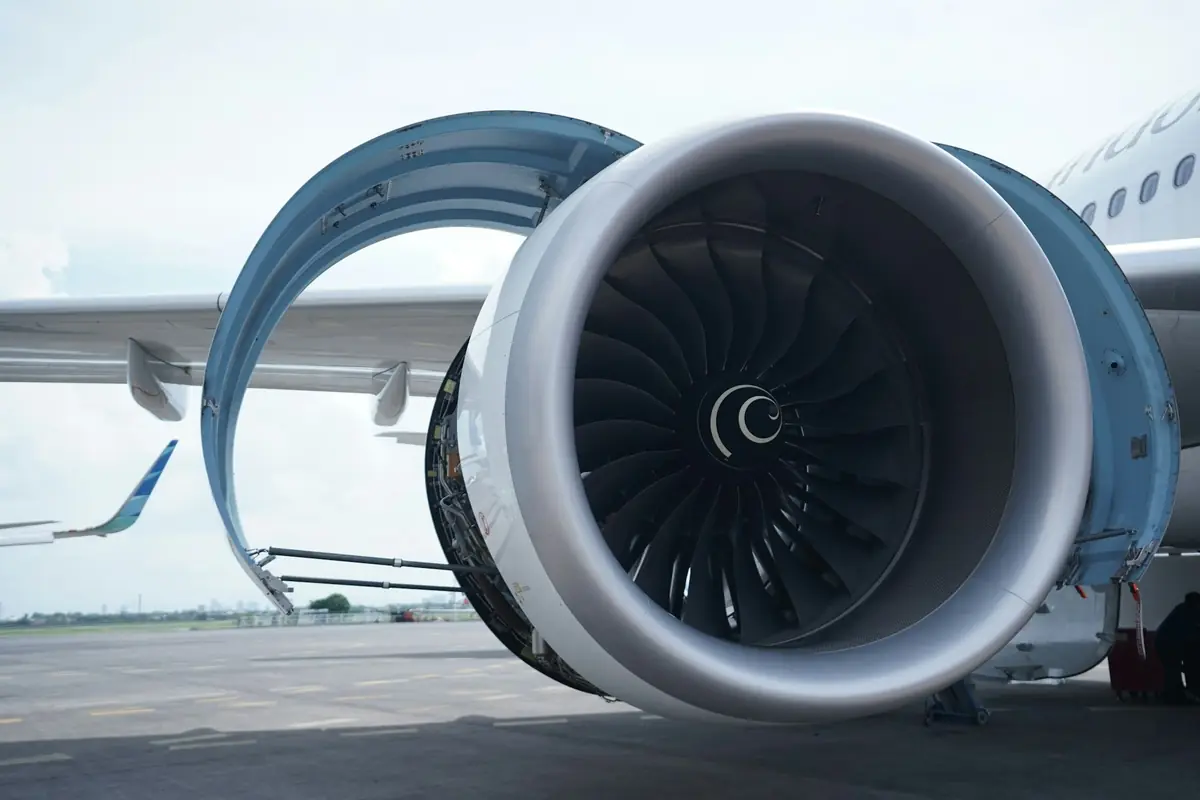
From the two-kilo part to the auxiliary generating set on a transport frame, from the emergency that immobilises the vessel to the planned rotation between the owner’s store and its ports of call.

FlowExamplesWhat we organise
Urgent part, vessel at risk of immobilisationControl module, injector, pump, electronic board, sensor, winch or deck-crane partCollection from the manufacturer or distributor, air connection chosen according to cargo availability, acceptance of the package, customs processing hours and road time to the terminal, formalities prepared before landing, dedicated vehicle to the quay, delivery coordinated with the agent
Planned parts and technical consumablesFilters, seals, overhaul kits, special oils, ballast water treatment consumablesConsolidation from several suppliers, air or road groupage to the port of call, delivery on a set date to the terminal or the yard
Dry-docking and class surveyParts batches for dry dock, surveyors’ measuring instruments, manufacturers’ service toolingDelivery schedule aligned with the yard, temporary admission for tooling and instruments where the professional-equipment conditions are met, return organised at the end of the job
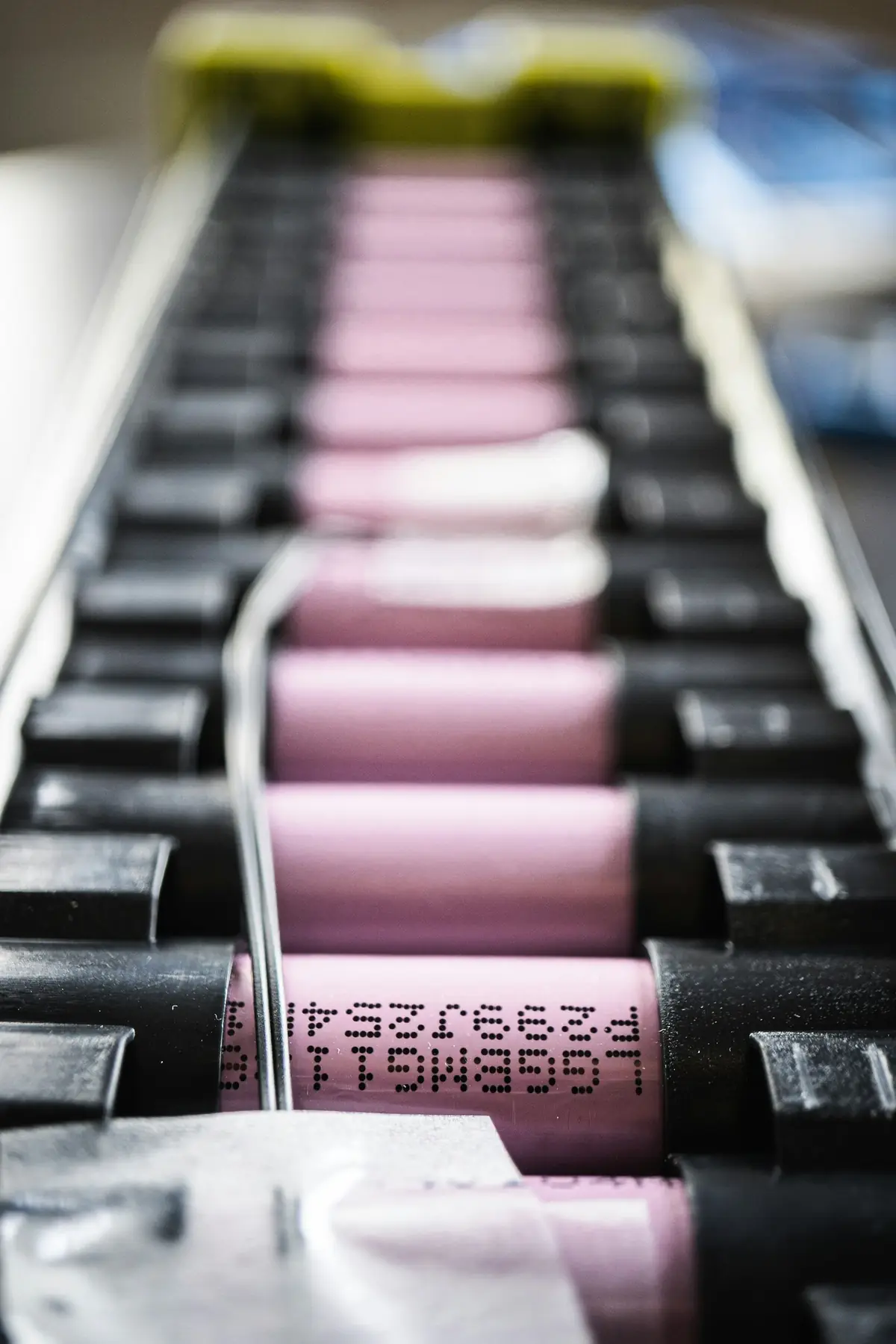
Safety equipment and dangerous goodsLife rafts and jackets, distress flares, CO₂ and nitrogen cylinders, lithium batteries, marine paintsClassification for each mode, packaging, marking and declaration according to the applicable rules, carrier acceptance checked before departure
Removed parts and workshop returnsStandard exchanges, navigation equipment, modules to be assessed under warrantyCollection on board or at the yard, traceability by part and serial number, return procedure identified before departure
Crew suppliesUnaccompanied baggage, work clothing, personal effects at crew changeTransport to the crew-change port, customs treatment according to contents, coordination with the port agent

Customs and VAT

Which customs procedure for a part intended for a vessel?

As a registered customs representative, OTEX lodges the declaration under the procedure that matches your situation. The status of the part (Union or non-Union), its use on board, the operation planned and the place of delivery determine it; the vessel’s eligibility for a VAT exemption is checked separately. Here are the cases we handle.

SituationProcedure appliedWhat we check
Non-Union part arriving at Roissy-CDG for a vessel in an EU portExternal T1 transit to the customs office of destination or to an authorised consignee, duties and import VAT suspended during transit; at destination, OTEX organises the presentation of the goods and the formality provided for after the transportThe office of destination or authorised consignee, the presentation deadline, the guarantee where required and the formality following the transit: delivery on board or a signed receipt does not discharge a T1 on its own, discharge is established by customs
Part intended for a non-Union vessel and re-exported with itTemporary admission with total relief from import duty for parts, accessories and equipment intended for a non-Union means of transport, temporarily imported with a view to re-export separately or with it (Article 213 of the Union Customs Code Delegated Regulation)The authorisation conditions, the time limit and the method of discharge before delivery; if the part leaves the Union without release for free circulation, OTEX prepares the applicable re-export formality and follows the evidence of exit
Union part delivered to a commercial vessel operating on the high seasVAT-exempt supply for a part intended to be incorporated in an eligible vessel or used for its operation at sea (Article 262, II, 3° of the French tax code); ship’s stores fall under 6° and their own supporting documentsThe vessel’s entry on a commercial register, its assignment to a commercial activity, a permanent crew, an overall length of at least 15 metres and the 70% threshold of voyages outside French territorial waters, assessed under the French tax administration’s rules (BOFiP); the supplier keeps the operator’s certificate and the evidence of assignment; where an intermediary buys and resells, which supply is invoiced and by whom
Non-Union part released for free circulation in FranceCustoms duties and import VAT examined separately: suspension of duties, under the end-use procedure, for certain products assigned to the construction, repair, maintenance, fitting-out or equipping of the vessels designated by the nomenclature; import VAT exemption under Article 291, II, 5° of the French tax code for the goods it coversThe tariff classification of the part, the tariff category of the vessel, the assignment, the holder of the end-use authorisation and the identity of the importer
Union part shipped to a port outside the customs territory of the UnionExport declaration (French DELTA IE system, export module) and follow-up of the exit certification (SDS)The customs exit certification, which establishes the export; the note signed on board establishes delivery and completes the file
Union goods delivered as exempt ship’s storesShip’s-stores declaration formalities (Article 269 of the Union Customs Code), whatever the vessel’s destinationThe proof of delivery on board required for the operation, kept with the customs file
Removed part sent for repairOutward processing for a Union part repaired outside the Union; returned-goods relief for a part coming back unchanged; inward processing for a non-Union part repaired in FranceThe procedure, its holder and the supporting documents to be provided on return, identified before the part leaves; the specific conditions for free repair under warranty and for the standard exchange system where it is used

The wording “ship spares in transit” links the shipment to the vessel and its port call; it does not decide the procedure. What counts: the reason for the shipment, the technical description of each part, its tariff classification, its origin, the evidence supporting the declared value (including without a sale: warranty, standard exchange) and the declaration lodged under the right procedure. We build this file before the part arrives, so that the formalities are ready when the vessel berths.

For the detail of the procedures (transit, temporary admission, processing), see our page on customs procedures and T1 transit. Privately used pleasure craft and commercially operated yachts follow different rules: describe your case to us.

Our organisation

How do we organise a delivery to a vessel, from alert to hand-over on board?

A single contact steers the operation and speaks the same language as your fleet technical manager and the port agent: IMO, ETA, time alongside, ETD, berth, cut-off time, receiving officer.

  1. AlertVessel, IMO, port of call, ETA and ETD, part number, location, level of urgency.
  2. Shipment detailsWeight, dimensions, value, origin, Union or non-Union status, any dangerous goods, manufacturer’s documents.
  3. Routing planAir connection or vehicle, arrival airport, customs procedure, target delivery time: approved with you before commitment.
  4. Port coordinationWith the port agent: berth, terminal access arrangements, time slot, receiving officer on board, lifting and transfer point if needed.
  5. Transport and customsCollection, air cargo security, flight, declaration lodged on arrival or transit to the port, dedicated vehicle to the quay, presentation at destination.
  6. Hand-over and follow-upSigned delivery note, discharge follow-up, customs supporting documents gathered and file sent to the technical manager.

Internationally, our OTEX agents in the main ports of call (Northern Europe, Mediterranean, Gulf, Asia, Americas) handle airport reception, local formalities and hand-over to the vessel’s agent. The same file follows the part from end to end.

Documents

Which documents travel with a ship spare?

The quality of the file decides the speed of the formalities and access to the quay. We check it part by part before collection, and we send it to the port agent before arrival.

Two pitfalls come up constantly: an invoice that says “spare parts” without describing the part or linking it to the vessel, and an approximate value because “the part pays no duty”. Customs relies on the declared value for risk analysis, and without a sale the customs value is determined by the applicable methods, on supporting documents.

We link the commercial invoice or pro forma document to the vessel and the port call. The file states the reason for the shipment, the technical description, the tariff classification, the origin and the evidence supporting the declared value. For a shipment under warranty or without a sale, we gather with the shipper the elements needed to determine the customs value, and the return procedure is consistent with the outbound one.

The typical file

What travels with the part

  • Commercial or pro forma invoice linked to the vessel (name, IMO number) and the port call: technical description, tariff classification, origin, supported value, reason for the shipment, “ship spares in transit” where applicable
  • Packing list: weight, dimensions, number of packages, part and serial numbers
  • Air waybill for an air shipment, consignment note for a road shipment, transit MRN where a T1 is opened
  • Vessel operator’s certificate for the VAT exemption, where it applies
  • Dangerous goods declaration and safety data sheet or technical data sheet, where required
  • Port agent’s details, berth, receiving officer, cut-off time

Received after delivery: the signed delivery note (master’s receipt), kept with the customs supporting documents.

Case study

A control module for a bulk carrier on a short call in Le Havre

An illustrative case, representative of the operations we organise for shipowners’ technical departments.

Situation

The vessel berths in 36 hours

A bulk carrier with non-Union customs status is due in Le Havre in 36 hours, for less than 24 hours, before sailing for West Africa. One of its auxiliary generating sets is out of service. The chief engineer sends the manufacturer’s part number and the revision of the control module. The manufacturer, in the United Kingdom, confirms the part is available and gives the characteristics of the battery fitted. Without the part on board, the repair is postponed to the next European call.

OTEX intervention

Flight, T1, temporary admission and quay in parallel

From the first call, we check with the manufacturer the acceptance conditions of the package on the flight (battery fitted) and link the invoice to the vessel and the port call. Collection the same evening, flight to Roissy-CDG the next morning. As the part is non-Union, we prepare a T1 between Roissy-CDG and Le Havre: after release for transit, the dedicated vehicle presents the part at the office of destination, where it is placed under temporary admission with re-export planned on board the vessel. In parallel, the port agent confirms the berth, the terminal access arrangements and the cut-off for delivery on board, two hours before the ETD.

Hand-over and follow-up

The part is on board during the call

The chief engineer signs the delivery note for the module. OTEX sends it to the technical manager, follows the discharge of the T1 and gathers the supporting documents for the discharge of the temporary admission after the vessel’s departure. The crew starts the repair before sailing. If the faulty module has to be landed for assessment, it is covered by a separate file prepared before landing, based on its customs status and destination.

Why OTEX Marine

An air freight forwarder and customs representative at the service of fleets

Port-call logistics combines what we do best: air urgency, customs and a network of agents in the ports.

  • Right by Roissy-CDG, France’s leading cargo airport: the part lands next to our offices, the formalities are done on the spot, the vehicle leaves for Le Havre, Rouen, Dunkirk, Marseille-Fos, Nantes-Saint-Nazaire or Bordeaux.
  • Registered customs representative: T1 transit, temporary admission, vessel-specific reliefs, processing procedures for workshop returns; we prepare the declarations, follow their processing and send you the supporting documents.
  • 24/7 continuity on files in progress: on a shipment under way, a change of port call at 10 pm or a cancelled flight on a Sunday finds someone who answers and decides.
  • OTEX agents in the ports for reception, local formalities and hand-over to the vessel’s agent.
  • A shared vocabulary with your fleet technical managers and agents: IMO, ETA, ETD, berth, cut-off time, delivery note on board.

What we document

Proof at every link

Delivery to the agent, delivery on board, declaration lodged, discharge follow-up: every step leaves a written record, and we send you the proofs of delivery and the customs supporting documents for the operation.

Diagnosis, fitting, testing and class decisions remain in the hands of your technical teams and the approved bodies: our role is for the part to be there, documented, on time.

Frequently asked questions

What technical departments and port agents ask us

What does “ship spares in transit” mean?

It is the wording placed on the documents of a shipment intended for an identified vessel: the part is linked to the vessel (name, IMO number) and to its port call. It flags the operation to customs but does not, on its own, decide the customs or tax treatment: depending on the file, the part travels under transit, is placed under temporary admission, is re-exported with the vessel or is released for free circulation. OTEX checks the customs status of the part, its destination and the operation planned on board, then prepares the corresponding formalities and supporting documents.

A part arriving by air at Roissy for a vessel in Le Havre: customs duties or not?

It depends on the status of the part and the operation planned, which we determine with you before departure. A non-Union part arriving at Roissy-CDG travels under external T1 transit to the customs office of destination or to an authorised consignee: duties and import VAT are suspended during transit. At destination, OTEX organises the presentation of the goods and the formality that follows the transport: temporary admission with total relief for a part intended for a non-Union vessel and re-exported with it, re-export, or release for free circulation with the suspensions and exemptions provided for goods intended for vessels. For a Union part, it is the VAT on the supply that is examined (see the table of procedures).

Can you deliver directly on board?

We deliver to the terminal, the berth, the shipyard or the agreed transfer point. The port agent confirms with the terminal the access arrangements, the time slot and the designated receiving officer on board; OTEX coordinates the move from quay to ship and collects the signed delivery note (master’s receipt). For a heavy part, we agree in advance who organises the lifting and at what point responsibility changes hands. At anchorage or offshore, the launch or helicopter is chartered by the operator or its agent: we deliver to the transfer point at the agreed time, and hand-over to the launch operator is a separate milestone from receipt on board, each with its own proof.

What happens if the call is brought forward or the vessel sails before the part arrives?

We follow the port-call updates with the port agent. If anything changes, we check the status of the shipment and organise its redirection to the next port of call, in France or abroad with our OTEX agents, or its storage until the next rotation: for a non-Union part, in an approved location or under the procedure suited to the waiting time (temporary storage is limited in time). Before any rerouting, we check which formalities need to be amended or completed, so that the part moves on without redoing the file.

Do you handle parts containing a battery, a pressurised cylinder or paint?

Yes. We check the classification and the acceptance conditions for each mode of transport, air then road. Depending on the product, we ask for the technical data sheet, the safety data sheet or the manufacturer’s battery information, then we check packaging, marking and documentation against the applicable rules (ICAO and IATA for air, ADR for road) and acceptance by the carrier. Life rafts, life jackets, distress flares, CO₂ or nitrogen cylinders, marine paints and battery-powered electronic modules are classified according to their contents and configuration. Our OTEX Dangerous Goods team prepares the shipment.

Do you handle removed parts going back for repair?

Yes, under the procedure chosen before departure, according to the case. Union part temporarily exported for repair outside the Union: outward processing and re-import formalities. Part previously exported and coming back unchanged: check of the conditions for returned-goods relief (in principle within three years) and of the VAT conditions. Non-Union part brought into France for repair: inward processing, then re-export or the other discharge formality provided for. We identify before departure the procedure, its holder and the supporting documents to be provided on return, and we follow the outbound and return legs under the same file, by part and serial number.

A vessel waiting for a part?

Vessel name and IMO number, port of call, ETA and ETD, part number and its location: our team gathers the details, checks the routing options and gives you the target delivery time and the formalities planned as soon as the file is qualified.

Your request

Tell us what you know: we will come back to you if anything is missing. Reply within 24 working hours for any complete request.

Your need

Your details are used only to process your request. Learn more.